which sealant performs best in extreme weather conditions
When it comes to sealing joints and gaps around your home, choosing the right sealant is essential, especially if you live in an area prone to extreme weather. Whether it's blistering heat, torrential rain, or freezing temperatures, not all sealants are created equal. This article delves into various sealants currently available, examining their performance in harsh conditions and offering practical advice on which might be best suited for your needs.
Silicone Sealants
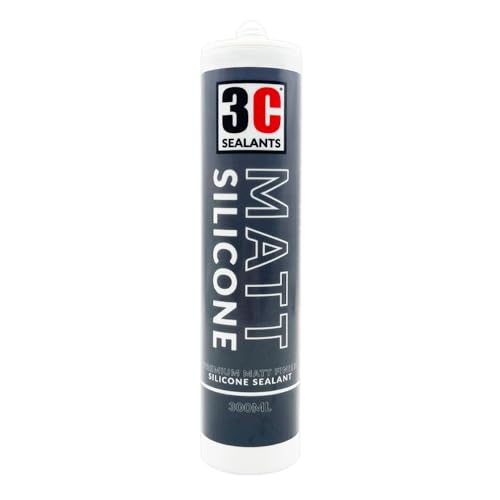
Silicone sealants are renowned for their flexibility and durability. They can withstand high temperatures, making them ideal for areas exposed to direct sunlight. High-temperature silicone can handle temperatures up to 300 degrees Celsius, which is particularly advantageous in regions experiencing extreme heat. Furthermore, silicone is waterproof, providing excellent protection against rain and moisture.
One of the downsides, however, is that silicone sealants can be less effective in cold conditions, as they may become brittle if exposed to freezing temperatures for extended periods. Therefore, it's crucial to choose a high-quality, weatherproof silicone sealant specifically formulated for low temperatures if you live in such an environment.
Polyurethane Sealants
Polyurethane sealants are another popular choice for extreme weather conditions. They offer exceptional adhesion and flexibility, making them suitable for various materials, including wood, metal, and masonry. Polyurethane can withstand extreme temperatures, from as low as -40 degrees Celsius to over 90 degrees Celsius, making them a versatile option for fluctuating climates.
People Also Look For:
- Polyurethane Waterproof Coating,Waterproof Insulating Sealant,Waterproof Sealing Glue Set,Transparent Waterproof Sealant Paste,Adh...
- UniBond Anti-Mould White, Waterproof Mould Protection, Long-lasting White Silicone Sealant for Kitchen & Bathroom, Powerful Bath S...
- 24Pcs Bike Patch Kit - Bicycle Tire Inner Tube Repair Kit with Vulcanizing Fluid/Rubber Cement, Patches, Metal Rasp, Levers - For ...
- Liquid Waterproof Sealant, Hupeyna Invisible Waterproof Agent, Transparent Repairing Leak Waterproof Adhesive, Indoor and Outdoor ...
- Silicone Sealant – Kitchen & Bathroom Silicone Sealant with Finishing Tool for a Smooth & Professional Finish | Waterproof ...
This type of sealant also has excellent resistance to moisture and can handle water exposure without degrading. However, be aware that polyurethane sealants typically require a longer curing time compared to silicone, so plan your projects accordingly.
Acrylic Sealants
Acrylic sealants are often viewed as a budget-friendly option but may not perform as well in extreme conditions. While they can be painted over and are relatively easy to apply, acrylics do not handle extreme temperatures as well as silicone or polyurethane. They tend to shrink in hot weather and may become brittle when exposed to cold.
However, if you are sealing indoor spaces or areas that do not face significant temperature fluctuations, acrylic sealants may still be an adequate choice. For outdoor applications in regions with varied weather, it is advisable to use a more robust option like silicone or polyurethane.
Hybrid Sealants
Hybrid sealants have emerged as a modern solution, blending the best attributes of silicone and polyurethane. These sealants are designed to offer superior adhesion, flexibility, and resistance to extreme weather conditions. Hybrid sealants can typically withstand high temperatures and are UV resistant, preventing degradation from prolonged sun exposure.
Additionally, hybrid sealants cure more quickly than traditional polyurethane options, making them a good choice for those looking to complete projects swiftly. However, it is essential to verify the specifications for the specific hybrid sealant you choose, as performance can vary between brands.
Choosing the Right Sealant
When selecting a sealant for extreme weather conditions, consider the specific environment and the materials you will be sealing. Always look for sealants rated for the temperature ranges and conditions you are likely to encounter. Reading reviews and product specifications can provide valuable insights into the performance of each option.
Furthermore, ensure that you prepare the surfaces properly before applying any sealant, as this can significantly impact the effectiveness of the seal. Clean the area thoroughly and allow it to dry completely to ensure optimal adhesion and longevity for your chosen product.