beginners guide to effectively applying sealant with ease
Applying sealant might seem daunting for beginners, but with the right techniques and tools, you can achieve professional results. In this guide, we will explore essential tips and steps to help you apply sealant with ease and confidence, whether for home repairs, sealing windows, or DIY projects.
Understanding Sealants
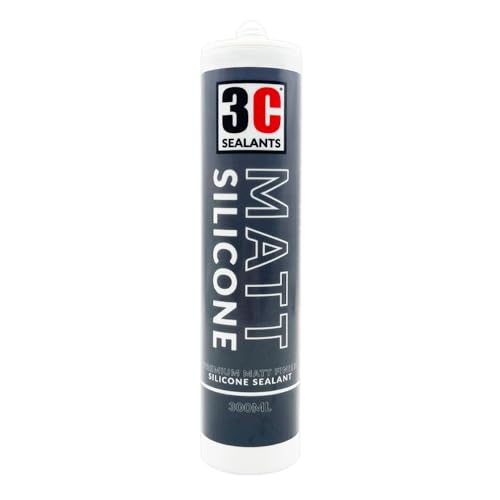
Before you start, it's crucial to understand the different types of sealants available. Sealants can be classified into various categories such as silicone, acrylic, polyurethane, and latex. Each type has its specific applications and advantages. For instance, silicone sealants are perfect for areas exposed to moisture, while acrylic sealants are great for interior surfaces. Knowing which sealant to use will set you on the right path.
Gathering Your Tools
To ensure a smooth application process, gather all the necessary tools before you begin. Essential items include a caulking gun, a utility knife, a putty knife, painter's tape, and a damp cloth. Having these tools at hand will help streamline your workflow and reduce any fuss during the application. Additionally, if you are working in a tight space, consider a smaller caulking gun for better manoeuvrability.
People Also Look For:
- Silicone Sealant - Flexible Silicone Tube for Wood, Parquet, Bathroom, Sink, Windows - Multi-Purpose, Waterproof (Transparent, 50m...
- Everbuild 500TR-EB Everflex Bath and Sanitary Silicone, Anti-Fungal Silicone Sealant, Transparent, 295 ml
- Climashield Masonry Waterproofing Cream - 2 x 5L - Exterior Brick Sealer & Rain Repellent Clear Waterproof Sealant for Concrete, C...
- Tent Repair Glue, Professional Tent Seam Sealer, Waterproof & Flexible Sealant Adhesive for Tent, Tarp, Awning & Groundsheet Repai...
- 600g Invisible Waterproof Agent, Transparent Waterproof Coating Agent, Waterproof Insulation Sealant, Waterproof Sealant for Roof,...
Preparing the Surface
Preparation is key when applying sealant. Start by cleaning the surface thoroughly to remove any dust, grease or old sealant. Use a scraper or putty knife to remove old material, and then wipe the area with a damp cloth to ensure it is free of debris. Allow the surface to dry completely before proceeding. If you are sealing a horizontal surface, it is advisable to mask off adjacent areas with painter's tape to achieve clean lines.
Loading the Caulking Gun
Loading the caulking gun properly is essential for an even application. Begin by cutting the tip of the sealant tube at a 45-degree angle, making the opening size appropriate for your task. Insert the tube into the caulking gun and push the plunger until the sealant is ready to flow. Practise a few test squeezes on scrap material to get the hang of the trigger action.
Applying the Sealant
When you are ready to apply the sealant, hold the caulking gun at a 45-degree angle against the surface. Apply steady pressure to the trigger and move the gun along the joint, maintaining a consistent speed. The aim is to create a smooth bead of sealant without any breaks. If you encounter an obstacle, pause briefly before resuming to avoid air pockets or uneven lines.
Finishing Touches
Once the sealant is applied, you may want to smooth it out for a neater finish. You can do this by dipping your finger in soapy water and gently running it over the bead of sealant. This will not only smooth the surface but also ensure good adhesion and a professional look. If you have used painter's tape, carefully remove it while the sealant is still wet to avoid pulling away any material.
Cleaning Up
After the application is complete, it is important to clean your tools and the workspace. Use a damp cloth to wipe any excess sealant from your hands or tools before it dries. If any sealant has cured on the tools, you may need to use a solvent recommended for the specific type of sealant you have used. Keeping your workspace tidy will help maintain a safe and efficient environment for your next project.