how to select the ideal sealant for your bathroom project
When embarking on a bathroom project, choosing the right sealant is crucial for ensuring durability and preventing issues like mould and water damage. With a plethora of options available, it can be overwhelming to determine which sealant best suits your needs. However, understanding the various types and their specific uses can simplify the decision-making process.
Understand the Different Types of Sealants
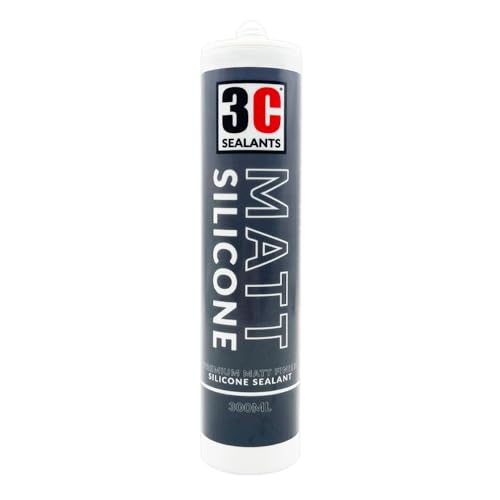
There are several types of sealants available on the market, each designed for specific applications within your bathroom. The most common types include silicone, acrylic, and polyurethane sealants. Silicone sealants are water-resistant and flexible, making them ideal for wet areas like baths and showers. They are also available in various colours, allowing for aesthetic versatility. On the other hand, acrylic sealants are paintable and easy to clean up with water, but they are not as waterproof as silicone. Polyurethane sealants offer excellent durability and adhesion but require careful application and are less forgiving in terms of flexibility.
Consider the Location of Application
Another critical factor in selecting a sealant is where you will be applying it. For instance, areas that experience constant exposure to water, such as shower enclosures and sink installations, require a high-performance sealant with strong water resistance. Conversely, for areas that may not be directly exposed to water, such as around bath edges or mirrors, a less water-resistant but more aesthetically pleasing sealant may be sufficient.
People Also Look For:
- CLEAR (Translucent) Silicone Sealant Bond it GP200 mould resistant bathroom glazing sealant - Pack of 10
- Everbuild Everflex 450 Premium+ Builders Silicone Sealant – Waterproof Seal – Suits Most Building Materials –...
- Transparent Waterproof Sealant Paste,Wall Leak Proof Coating,Waterproof Adhesive Sealant,Super Strong Waterproof Sealant,Suitable ...
- 30G Waterproof Coating,Invisible Waterproof Agent,Waterproof Coating Sealant,Transparent Waterproof Sealant Paste,Wall Leak Proof ...
- 12X Everbuild General Purpose Clear Silicone Sealant Anti Fungal
Evaluate the Environmental Considerations
When selecting a sealant, pay attention to its environmental impact. Many manufacturers now offer eco-friendly options, which are low in volatile organic compounds (VOCs) and safer for indoor air quality. If you're concerned about health and safety, look for sealants that are certified eco-friendly or have low VOC emissions.
Check for Mould Resistance
Bathrooms are notorious for their humid conditions, which can lead to the growth of mould and mildew. Therefore, it is essential to choose a sealant that offers mould and mildew resistance. Many modern silicone sealants come infused with anti-fungal agents that inhibit mould growth, making them a wise choice for high-moisture areas.
Assess the Flexibility and Adhesion Properties
Flexibility is another vital attribute to consider when selecting a sealant. Bathrooms can experience slight movements due to temperature fluctuations and humidity changes. A sealant that maintains its elasticity under these conditions will prevent cracks and gaps from forming over time. Additionally, ensure that the sealant you choose has strong adhesion properties to bond effectively with the surfaces in your bathroom, such as tiles, glass, and metal.
Determine the Aesthetic Requirements
While functionality is key, the visual appeal of your sealant cannot be overlooked. Many sealants are available in a range of colours, allowing you to match or complement your bathroom decor. Transparent or white sealants may blend seamlessly with most surfaces; however, if you have a unique design, consider a coloured option to enhance the overall aesthetic.
Read Reviews and Seek Expert Recommendations
Before making a purchase, it is wise to read reviews and seek recommendations from professionals or experienced DIYers. Their insights can provide valuable information regarding the performance and longevity of specific sealants. Additionally, visiting local hardware stores and speaking with knowledgeable staff can help you narrow down your choices based on your project requirements.