avoiding common sealant application pitfalls for lasting results
When it comes to ensuring the longevity and efficiency of your home, sealants play a crucial role. Whether you are sealing around windows, doors, or in bathrooms, the application process can often seem straightforward. However, many find themselves facing issues down the line due to common pitfalls during application. In this guide, we'll explore the common mistakes to avoid, ensuring you achieve lasting results with your sealant.
Choosing the Wrong Sealant
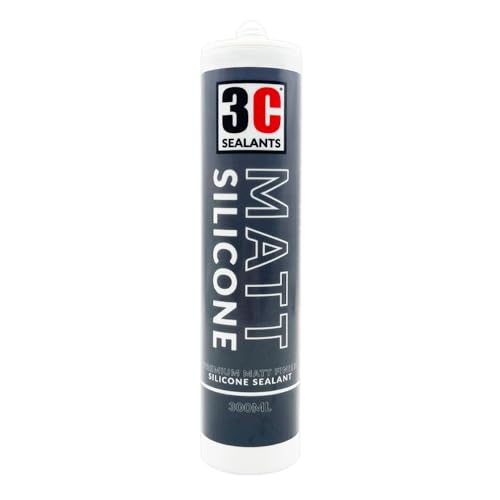
One of the most significant mistakes you can make is choosing the wrong type of sealant for your project. Different materials and environments require specific sealants. For example, silicone sealants are excellent for bathrooms due to their water resistance and flexibility, while acrylic sealants are better suited for indoor use where paintability is necessary. Always read the product specifications and ensure the sealant is appropriate for the surfaces and conditions you are working with.
Insufficient Surface Preparation
Proper surface preparation is crucial for achieving a strong bond. Failing to clean the surface thoroughly can lead to adhesion issues. Remove any dust, dirt, grease, or old sealant using a scraper and cleaner appropriate for the material. For porous surfaces, consider priming before application to ensure the sealant adheres properly. This extra step can significantly enhance the durability of the seal.
People Also Look For:
- 1KG Waterproof Sealant,Liquid Waterproof Paint,Invisible Waterproof Agent,Clear Sealant Waterproof,Waterproof Coating for Outdoor ...
- OB1 White Multi-Surface Construction Sealant & Adhesive - Hybrid Technology - Excellent Chemical Resistance - Water Resistant - We...
- 300g Invisible Waterproof Sealant, Anti-Leaking Clear Insulation Sealant Super Strong Anti-Leakage Agent, For Roof,Bathroom, Patio...
- 12X Everbuild General Purpose Clear Silicone Sealant Anti Fungal
- 3 x Black Leak Sealer Spray - 400ml - Tough Waterproof Sealant - Ideal for Drain & Plastic Pipe Leaks & Cracks - Instant Repair & ...
Application in Poor Weather Conditions
Weather plays a critical role in sealant application. Avoid applying sealant during wet, cold, or excessively hot conditions. Moisture can compromise adhesion, while extreme temperatures can affect the curing process. Ideally, aim for a temperature above 5 degrees Celsius and avoid rainy days. If you are sealing outdoor areas, always check the forecast to ensure optimal conditions.
Overfilling the Joint
Another common mistake is overfilling the joint with sealant. While it may seem logical to apply as much as possible, too much sealant can lead to bulging or improper curing. Instead, aim for a smooth, even bead that fills the gap without overflowing. A caulking tool or your finger can help smooth the sealant to achieve a professional finish. Remember that less is often more in this case.
Neglecting to Tool the Sealant
After applying the sealant, tooling is an important step that many neglect. Tooling involves smoothing the sealant to create a neat appearance and ensure proper adhesion. Use a tooling tool or your finger dipped in soapy water to shape the sealant, pushing it into the joint and removing any excess. This process not only enhances aesthetics but also improves the sealant's performance.
Ignoring Curing Time
Patience is key when it comes to sealant application. Many people make the mistake of rushing the process and using the area too soon. Each sealant has a specific curing time which must be adhered to for optimal results. For silicone sealants, this can be up to 24 hours, while acrylics may cure faster. Always check the manufacturer's instructions and resist the temptation to touch or use the area until fully cured.
Failing to Inspect Before Completion
Before you consider a sealant job finished, conduct a thorough inspection. Check for gaps, bubbles, or areas where the sealant may not have adhered properly. This step can save you time and money in the long run, as addressing these issues early can prevent water damage or air leaks. If you spot any imperfections, do not hesitate to reapply sealant to ensure a complete, effective seal.